If your Eagle home is going on the market this spring, first impressions matter more than ever. In a market where values remain strong but homes are not moving instantly, buyers will notice the details, both good and bad. A smart prep plan can help you reduce friction, photograph well, and make your home feel move-in ready from day one. Let’s dive in.
Why spring prep matters in Eagle
Eagle remains one of Ada County’s higher-priced markets. In Zillow’s current snapshot, Eagle shows a typical home value of $781,106, a median sale price of $807,996, and about 45 days to pending, compared with Ada County overall at a $519,426 typical value and about 27 days to pending. That gap matters because it suggests your home may need stronger presentation to stand out, even in a valuable market.
When buyers are spending at Eagle price points, they often expect a polished showing experience. That does not mean you need a full remodel. It means you should focus on the updates, repairs, cleaning, and staging choices that reduce distractions and help buyers connect with the home quickly.
Time your prep around Eagle weather
Spring in the Treasure Valley can be helpful for listing prep, but it is not always predictable. According to the NOAA Boise climate summary, spring is the windiest period from roughly March through mid-May, much of the annual precipitation falls between November and May, and the average last freeze for lower-elevation areas is in early May, with the last frost in mid to late May.
For you, that means curb appeal work should follow the weather, not just the calendar. Exterior cleanup, fresh plantings, and listing photos often turn out better when you watch for a calm, dry window instead of assuming early March is the right time.
Start with curb appeal basics
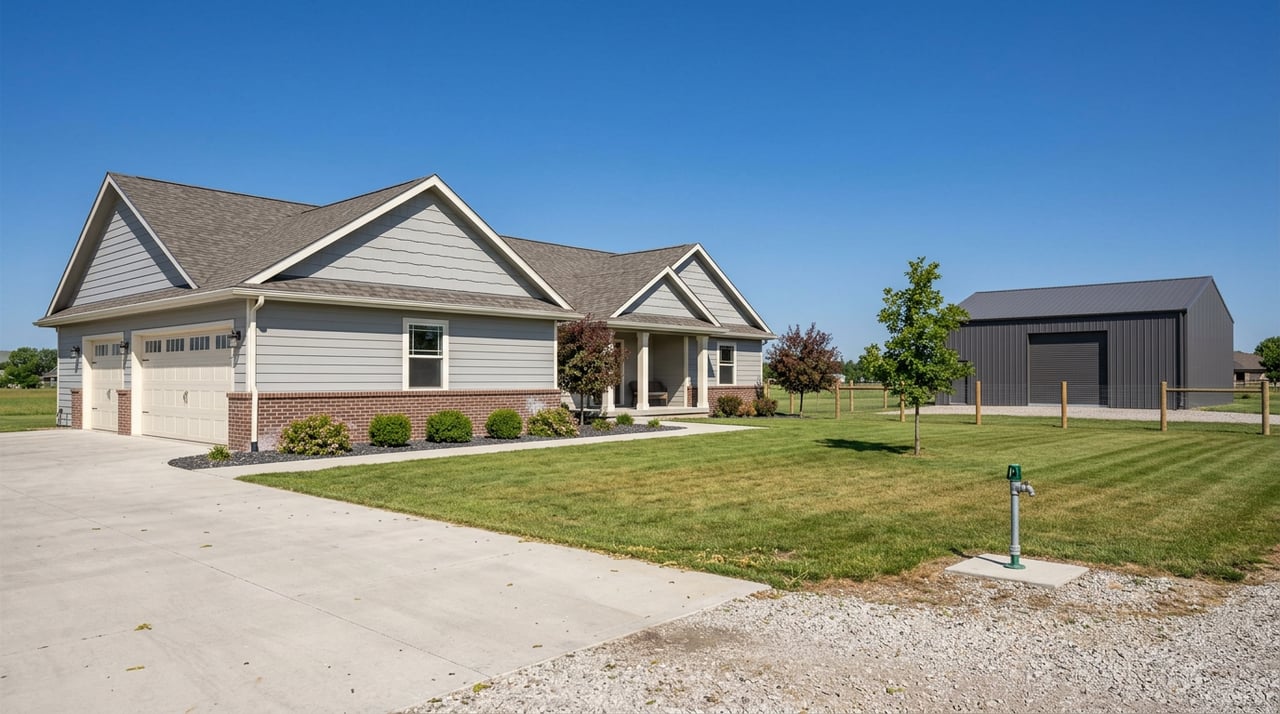
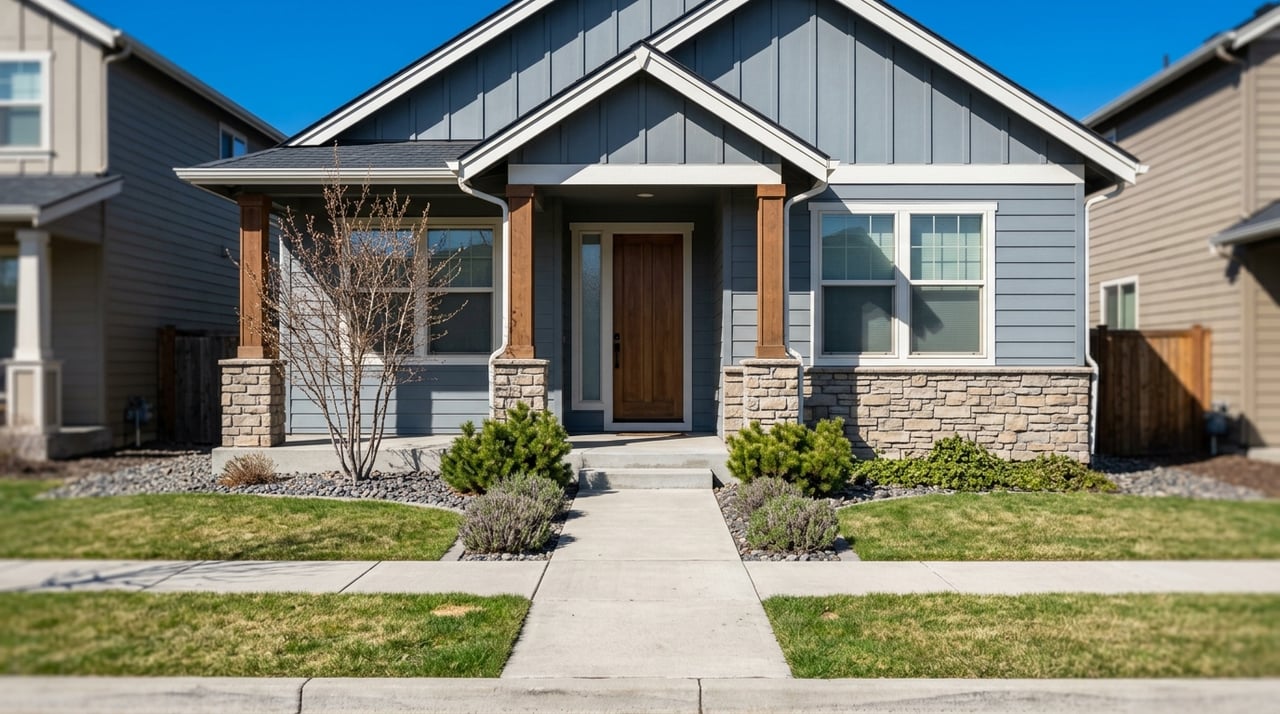
Before a buyer notices your kitchen or floor plan, they see the front of your home. The National Association of Realtors notes that curb appeal improvements can include landscaping, the front entrance, and paint, and its spring curb appeal guidance highlights simple, edited improvements that help the home stand out without looking overdone.
Focus first on the high-visibility items:
- Wash windows
- Clean siding and walkways
- Edge planting beds
- Trim shrubs and trees
- Refresh mulch or low-maintenance rock
- Touch up the front door, trim, or chipped paint
- Simplify the porch and entry area
This kind of prep is practical and buyer-friendly. It also tends to photograph better, which is important because many buyers form an opinion online before they ever schedule a showing.
Keep the entry clean and readable
In Eagle, many homes have generous lots, larger driveways, and more outdoor space. That can be a plus, but it also means clutter has more room to spread. A few simple pots, clean hardscape, and a tidy front entry usually create a stronger impression than too many decorative elements.
NAR’s curb appeal recommendations also suggest focusing the eye on the home itself. Clean lines, trimmed landscaping, and a clear path to the front door can make your exterior feel more welcoming and easier to understand at a glance.
Tackle repairs before buyers do
Deferred maintenance has a way of standing out during showings. NAR’s seller preparation guidance recommends estimating the cost of significant items that may be due soon, such as a roof, HVAC system, or appliance, even if you do not plan to replace them before listing.
That advice is helpful because it gives you options. You may decide to repair an issue now, price with it in mind, or be prepared to offer a credit later. What matters most is knowing the condition of your home before a buyer raises concerns.
Build a simple repair game plan
About 6 to 8 weeks before listing, consider these steps:
- Schedule a pre-sale inspection
- Get quotes for major repairs if needed
- Decide what to fix, what to disclose, and what to price around
- Gather warranties, guarantees, and manuals for items that will stay with the home
This step can reduce surprises during escrow. It also helps you make decisions from a position of clarity instead of reacting under pressure.
Deep clean and declutter strategically
A clean home feels better cared for. NAR recommends cleaning windows, carpets, lighting fixtures, and walls, along with storing away clutter before showings. Buyers may not mention every detail, but they notice when a home feels bright, fresh, and easy to walk through.
Three to four weeks before listing is a good time to go beyond routine cleaning. Think of it as preparing the home to be seen by someone who has never been there before.
Prioritize these tasks:
- Deep clean floors, baseboards, and surfaces
- Wash windows inside and out
- Clean light fixtures and replace dim bulbs
- Patch and touch up marked walls
- Remove excess furniture
- Clear countertops and open shelving
- Store personal items and day-to-day clutter
Make rooms feel larger and lighter
Decluttering is not about making your home look empty. It is about helping buyers see the space clearly. When surfaces are crowded or furniture blocks natural flow, rooms can feel smaller than they are.
Bright, consistent lighting matters too. Before photography and showings, check that bulbs match in color tone and that key rooms feel well lit. That small detail can improve both in-person showings and online images.
Stage the rooms buyers notice most
If you want to spend your time and budget wisely, stage the rooms that have the biggest impact. According to the 2025 NAR staging report coverage, the living room, primary bedroom, dining room, and kitchen are the most commonly staged spaces. The same report says nearly half of sellers’ agents saw staging reduce time on market, while 29% saw a 1% to 10% increase in offered value.
That does not mean every room needs professional staging. It means the rooms buyers care about most should feel clean, balanced, and easy to imagine living in.
Focus your staging effort here
One to two weeks before listing, give extra attention to:
- Living room: open seating layout, minimal accessories, clear walkways
- Primary bedroom: simple bedding, reduced furniture, calm surfaces
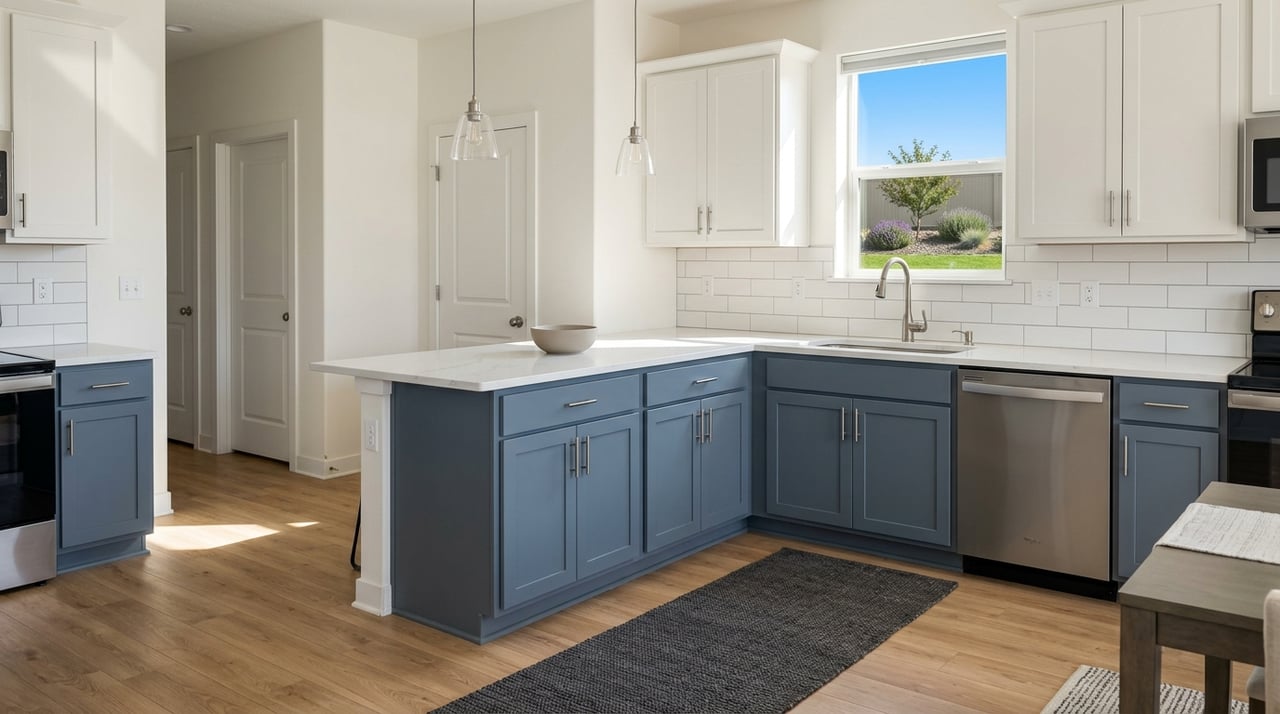
- Kitchen: clear counters, fresh towels, uncluttered pantry sightlines
- Dining room: defined purpose, balanced table scale, clean lighting
If you have pets, remove bowls, crates, extra toys, and any odor sources before photos and showings. If your home backs to a trail edge or open area, also do a quick cleanup of leaves, dirt, or windblown debris near doors and patios.
Highlight Eagle lifestyle honestly
Part of preparing your Eagle home for sale is knowing how to talk about the location. The strongest selling points are specific and factual. The City of Eagle trails and pathways page notes the city’s greenbelt pathways and trail rules, including that leashed dogs are required on and around trails and pathways. The page also references Eagle Island State Park’s equestrian trails.
Idaho Parks and Recreation describes Eagle Island State Park as a 545-acre park bordered on the north and south by the Boise River, with more than five miles of trails for horseback riding, hiking, or walking a dog. Ridge to Rivers also notes that the Boise Foothills trail system manages more than 210 miles of trails, while some foothills trails reopen after winter closures only when conditions dry enough.
Use precise location language
When marketing your home, precise wording is better than broad claims. Say your property is:
- Near the Greenbelt
- Close to Eagle Island State Park
- Convenient to foothills trail access
- Near river corridors or local pathways
Avoid implying private, direct, or year-round unrestricted access unless that is clearly true. Accurate language builds trust and helps buyers understand the location without confusion.
Follow a simple spring sale timeline
A step-by-step timeline can make the listing process feel more manageable. Based on seller preparation guidance from NAR and local spring weather patterns, here is a practical sequence for Eagle homeowners.
6 to 8 weeks before listing
- Schedule a pre-sale inspection
- Get estimates for any major repairs
- Gather warranties, manuals, and service records
- Decide what will be repaired versus credited or priced accordingly
3 to 4 weeks before listing
- Deep clean the home
- Declutter storage areas and daily-use spaces
- Wash windows
- Touch up paint
- Trim landscaping
- Refresh the front entry
- Simplify porch and yard decor
1 to 2 weeks before listing
- Stage the living room, primary bedroom, kitchen, and dining room
- Check that lighting is bright and consistent
- Remove pet clutter
- Clean up outdoor areas affected by wind or trail-edge debris
Listing week
- Do a final exterior sweep after wind or rain
- Make sure the front entrance looks crisp from the street
- Confirm photos reflect the home at its best
- Use exact, location-specific wording for nearby trails, parks, or river amenities
Small updates can make a big difference
You do not need to overhaul your home to make a strong impression this spring. In many cases, the biggest wins come from the basics: cleaning thoroughly, fixing what is obviously broken, improving curb appeal, and presenting key rooms clearly. These are the steps that help buyers focus on the home itself instead of the work they think they will inherit.
If you are planning a spring move in Eagle, a clear prep strategy can help you feel more in control and make your home more appealing from the moment it hits the market. When you are ready for personalized guidance, connect with Jerrilyn Anghel for a practical, local approach to preparing your home for a successful sale.
FAQs
What should Eagle homeowners do first before listing in spring?
- Start with a pre-sale inspection, repair planning, and paperwork gathering about 6 to 8 weeks before your target list date.
How important is curb appeal when selling a home in Eagle?
- Curb appeal is very important because buyers see the exterior first, and simple improvements like clean windows, trimmed landscaping, and a refreshed entry can reduce buyer hesitation.
When is the best time for exterior work on an Eagle home?
- The best time is during a calm, dry spring weather window, since Treasure Valley spring can be windy, wet, and subject to late frost.
Which rooms matter most when staging an Eagle home for sale?
- The living room, primary bedroom, kitchen, and dining room are the most important spaces to prioritize for staging and listing photos.
How should sellers describe trail or park access near an Eagle property?
- Use precise wording like near the Greenbelt, close to Eagle Island State Park, or convenient to foothills trail access, and avoid overstating access rights or seasonal availability.