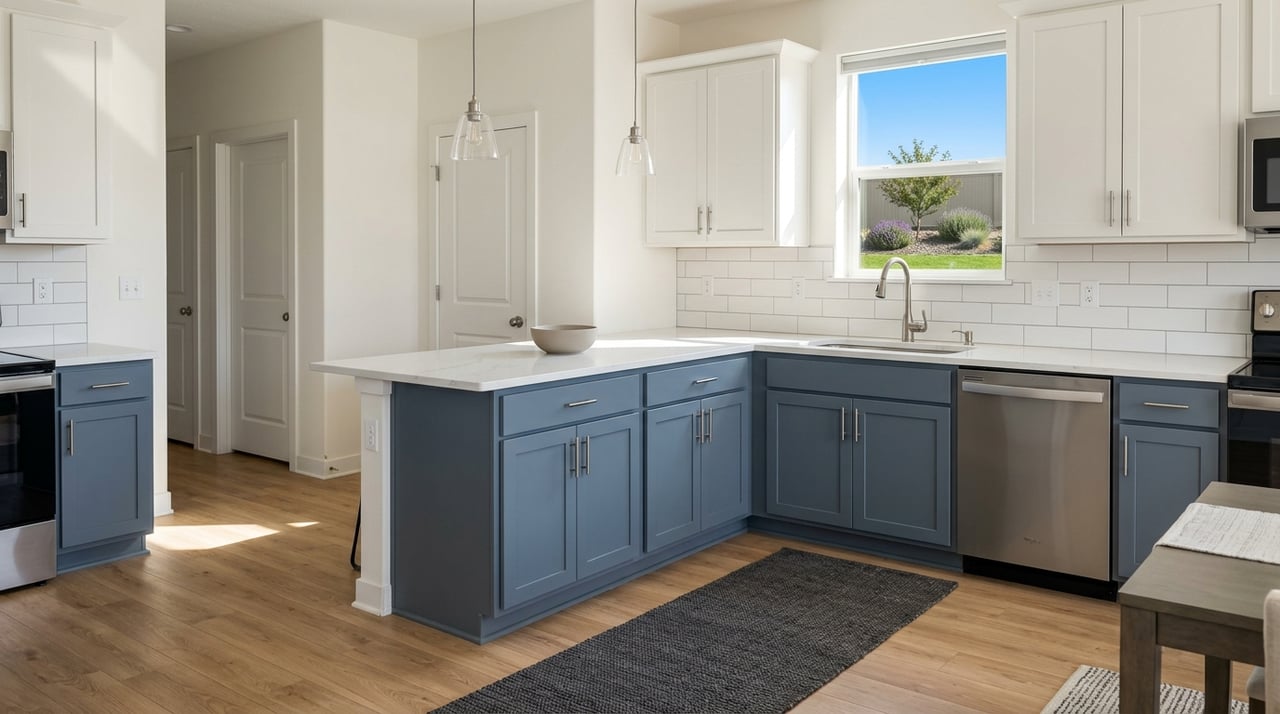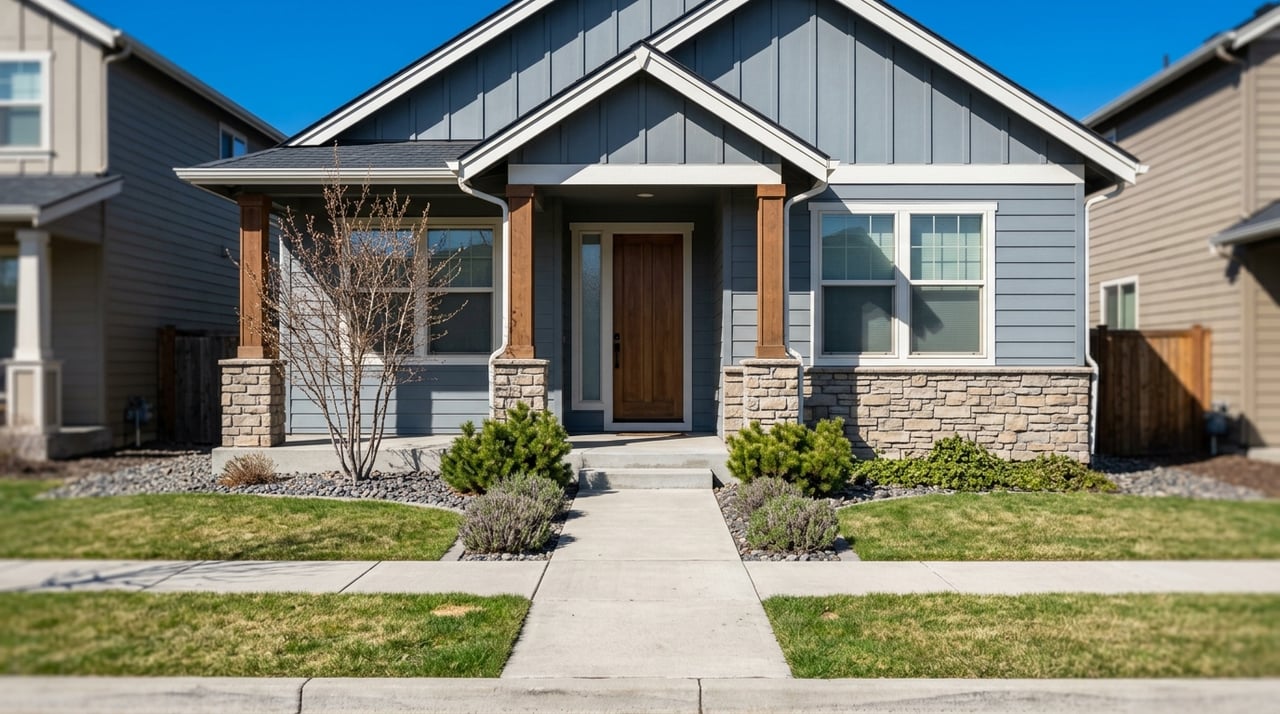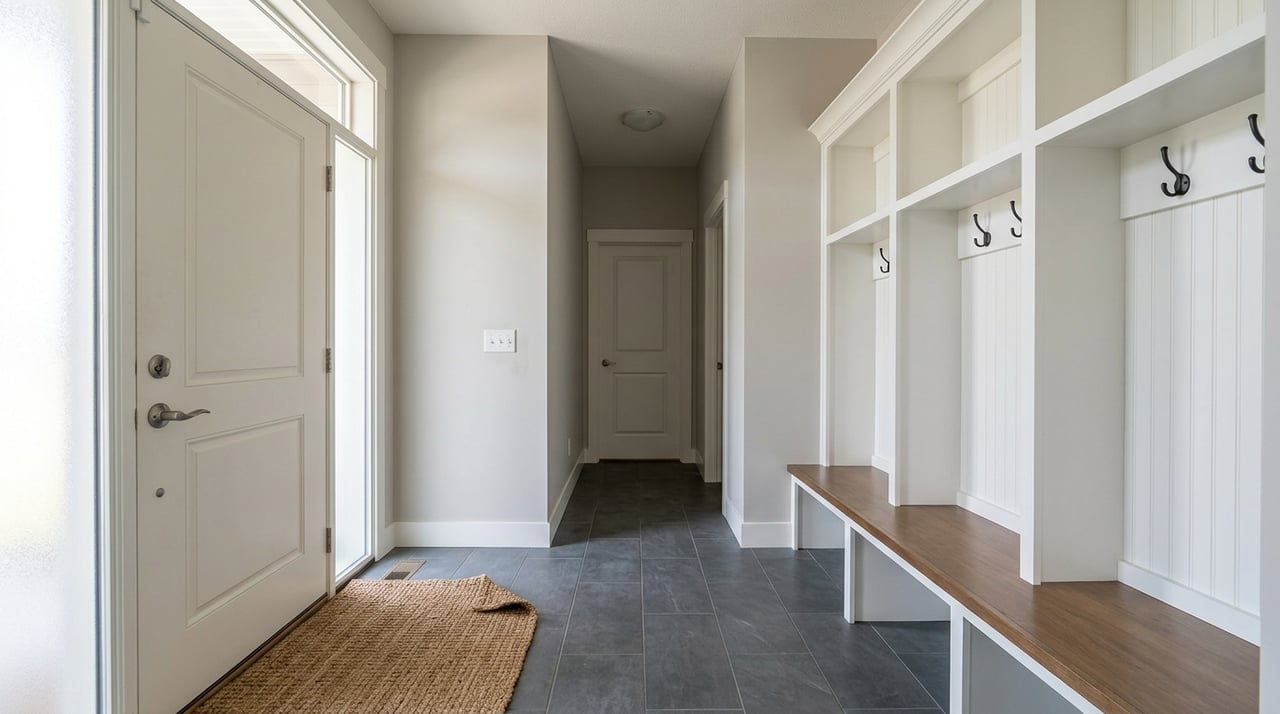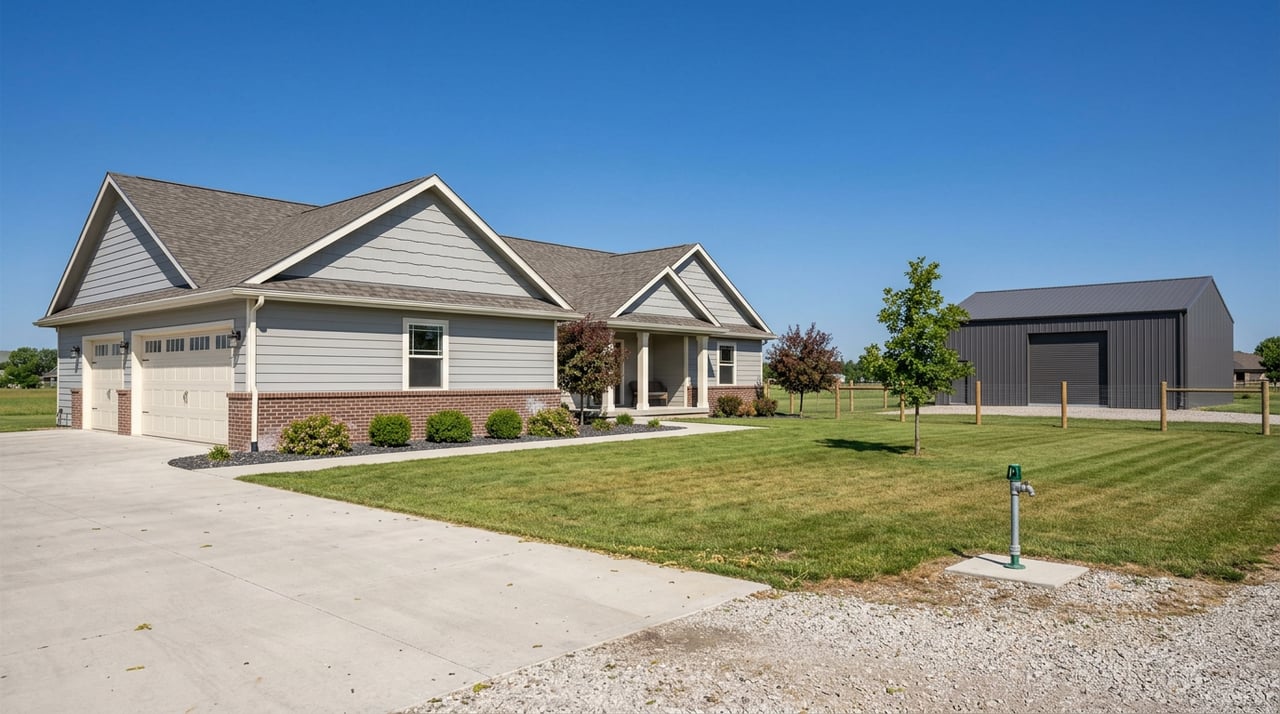
Dreaming of space for gardens, goats, or a couple of horses without giving up easy access to town? If you are eyeing acreage or a hobby‑farm setup in Kuna, you are not alone. These properties offer freedom, but they also come with different rules, systems, and maintenance than a typical subdivision home. In this guide, you will learn the essentials for buying farm‑friendly property in Kuna, from zoning and animal allowances to wells, septic, irrigation, and red flags to avoid. Let’s dive in.
Start with where the rules apply
Before you fall in love with a parcel, confirm whether it sits inside Kuna city limits or in unincorporated Ada County. The jurisdiction determines which zoning rules and permits apply. Kuna is growing and actively updating its long‑range plans, so boundaries and policies can change. You can review the city’s planning resources and updates on the City of Kuna Planning & Zoning page and the city’s Comprehensive Plan materials, including the current planning update.
- Check the City of Kuna’s planning pages for current processes and maps. City of Kuna Planning & Zoning
- See the city’s active planning update for context on growth areas and the Area of City Impact. Kuna Comprehensive Plan materials
Zoning basics for acreage
If the property is outside city limits, Ada County’s Title 8 governs land use, lot standards, and what activities are allowed. Rural districts like Rural Preservation (RP) and Rural Residential (RR) often support low‑density living with agricultural uses, but the details matter. The County’s Use Table tells you whether a specific use is permitted, accessory, or requires a conditional use permit. Do not assume a single rule applies everywhere.
- Read Ada County’s zoning code portal for district purposes and overlays. Ada County Title 8
- Verify specific uses and setbacks in the County’s Use Table reference. Ada County Use Table reference
Animal allowances and structures
Animal counts and types depend on the zoning district and how the activity is categorized. Household or hobby animals can be treated differently than commercial operations. Setbacks for barns, coops, corrals, and manure management may also apply. If the property is inside Kuna city limits, check the city’s municipal code. If it is in the county, confirm the Use Table entry and any conditions for your planned use.
- Always confirm animal‑keeping and accessory structure rules in the applicable code. Ada County Title 8
Water rights and irrigation in Kuna
In Idaho, water is managed through water rights, which authorize diversion and beneficial use. Rights have priority dates that determine who gets water first in a shortage. For acreage, you may see a mix of domestic well use and irrigation district surface water. Verify any claimed water right and its status before you buy.
Local irrigation is organized under the Boise Project and its member districts, including the Boise‑Kuna Irrigation District and Nampa & Meridian. If a parcel is in a district, it may have assessments, ditch or lateral easements, and delivery rules. You should confirm whether the property receives surface irrigation, how it is delivered, and what maintenance or equipment is required.
- Learn how Idaho water rights work and how to search by right number. IDWR water‑rights overview
- See regional irrigation context and district coordination under the Boise Project. Boise Project materials
Wells, septic, and on‑site systems
Many acreage properties are not connected to city water or sewer. Instead, they rely on private wells and septic systems that require proper permitting, testing, and maintenance. Before you close, review well logs, pump records, and water tests for bacteria and nitrates. If a new or replacement septic is needed, the local health district is your authority for permits and design.
- Find septic permit steps, fees, and installer lists at Central District Health. CDH septic applications and resources
- Get homeowner guidance on private wells, testing, and water quality. CDH well guidance
Overlays, hazards, and site constraints
Some properties carry special overlays that add requirements. In Ada County, overlays can include flood hazard areas, Wildland‑Urban Interface zones, and airport influence areas. These can affect building design, defensible space, and permitting steps. You should also check for ditch or lateral crossings, recorded easements, and any floodplain constraints that shrink the buildable area.
- Review overlay districts and standards in the county code. Ada County Title 8
Everyday realities of hobby‑farm living
Daily operations look different with acreage. Budget for fencing, corral upkeep, barn and outbuilding maintenance, feed storage, and manure handling. Plan for predator protection, animal vaccinations, and potential liability insurance. If you plan to board, breed, or sell animals, ask about additional permits or business rules that could apply.
How irrigation is delivered
Irrigation can arrive by open ditches, laterals, pressurized systems, or pumps that feed sprinklers or storage ponds. Each setup has different costs, maintenance, and reliability. If a pressure system is planned or required, the irrigation district and Boise Project will typically review and approve plans. Local planning files often include comments from the Boise‑Kuna Irrigation District to document current or required systems.
- See how local staff reports reference irrigation delivery and district coordination. Kuna development staff report example
Step‑by‑step due diligence checklist
Complete these steps before contingencies expire. A thorough review protects you from surprises and positions you to use the land as intended.
- Confirm jurisdiction. Verify city limits vs. unincorporated Ada County and whether the parcel is in the Area of City Impact. Start with the city’s planning pages. City of Kuna Planning & Zoning
- Pull zoning and use permissions. Identify the zoning district and confirm whether your planned uses are permitted, conditional, or accessory using the County Use Table or city code. Ada County Use Table reference
- Verify water rights. Ask the seller for any water‑right numbers and check them with IDWR. Confirm the type of right, priority date, and whether it is appurtenant to the land. IDWR water‑rights overview
- Call the irrigation district. Contact the Boise‑Kuna Irrigation District or applicable Boise Project member to confirm district status, ditch or lateral crossings, and assessment history. Boise Project materials
- Gather system records. Request well logs, recent water test results, septic permits and inspections, and any irrigation assessments from the last three years. CDH septic applications and resources
- Order site evaluations. Consider a soil test or perc test, topographic review for runoff and irrigation distribution, and geotechnical input if shallow bedrock is suspected. Local planning files often reference USDA soils as a baseline. Kuna planning file example
- Search title for easements. Look for recorded irrigation ditch rights, lateral easements, pipeline easements, and other access rights that could limit building envelopes. Irrigation planning example
- Confirm septic status with CDH. Ensure permits are on file and in good standing. If a repair or expansion is needed, use permitted installers. CDH septic applications and resources
- Test well water. Check for bacteria and nitrates and consider seasonal retesting if you are in an area with groundwater quality sensitivity documented in local planning. Kuna planning file example
- Verify access and road authority. Driveway permits and future collector roads can affect building placement. City and county staff reports often note interim access issues. Kuna staff report archive
- Ask the assessor. Inquire about agricultural classification or use assessment options and whether any programs could affect your property taxes now or in the future.
- Clarify animal plans. If you will exceed basic hobby levels, ask the jurisdiction about conditional use permits, setback requirements, and manure management expectations. Ada County Use Table reference
Red flags to pause a deal
- Unclear or missing water rights when irrigation is claimed. Confirm with IDWR before you proceed.
- Unpaid irrigation district assessments or liens. Ask the district to verify account status.
- Septic approval denied or delayed by Central District Health. Without approval, building permits may not be issued.
- Floodplain limits or ditch crossings that block your planned building area. Check overlays and recorded easements.
- Location in a groundwater management area where new wells or withdrawals are restricted. Confirm with IDWR.
What this means for your search
Buying acreage in Kuna rewards careful homework. When you confirm jurisdiction, zoning, water rights, irrigation delivery, and on‑site systems up front, you protect your budget and timeline. You also set yourself up to use the land the way you intend, whether that is a large garden, a small pasture, or a more involved hobby‑farm setup.
If you want a sounding board as you evaluate options, reach out. Jerrilyn Anghel can help you focus your search, line up key due diligence steps, and coordinate with local agencies so you move forward with confidence.
FAQs
What should I check first when buying acreage in Kuna?
- Start by confirming whether the property is inside Kuna city limits or in unincorporated Ada County, then pull the zoning district and check the applicable Use Table for your planned uses.
How do water rights work for farm‑friendly properties in Kuna?
- Water rights authorize diversion and beneficial use and include a priority date; verify any claimed rights with the Idaho Department of Water Resources before you buy.
Are irrigation district costs common for Kuna acreage?
- Yes, many parcels within Boise Project member districts have annual assessments and ditch or lateral easements; call the district to confirm status and delivery details.
Can I keep horses or chickens on an RR‑zoned lot in Ada County?
- Possibly, but it depends on the exact zoning district, parcel details, and the Use Table designation; confirm whether your use is permitted, conditional, or accessory before you commit.
What tests should I run on a private well and septic system?
- Review well logs and pump records, test for bacteria and nitrates, and confirm septic permits and inspections with Central District Health before your contingencies expire.
What overlays could affect building on Kuna acreage?
- Flood hazard areas, Wildland‑Urban Interface zones, and airport influence areas may add requirements; check county code and recorded maps for any overlays on the parcel.