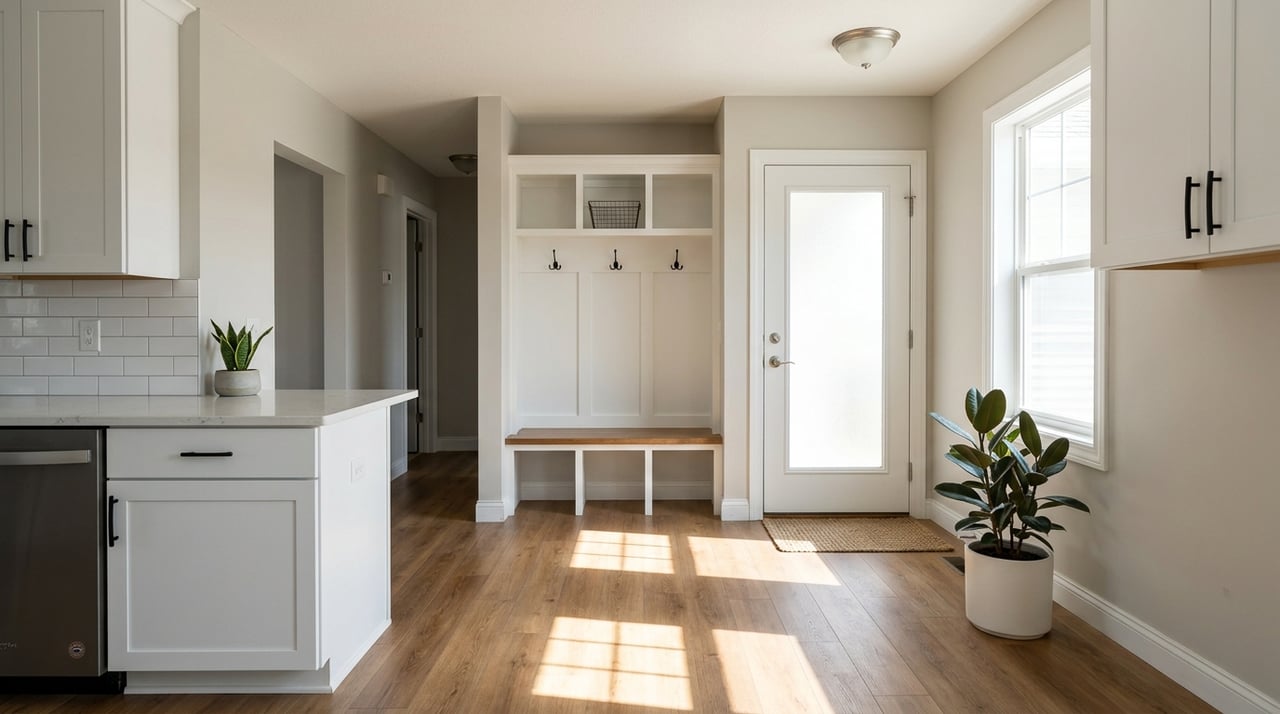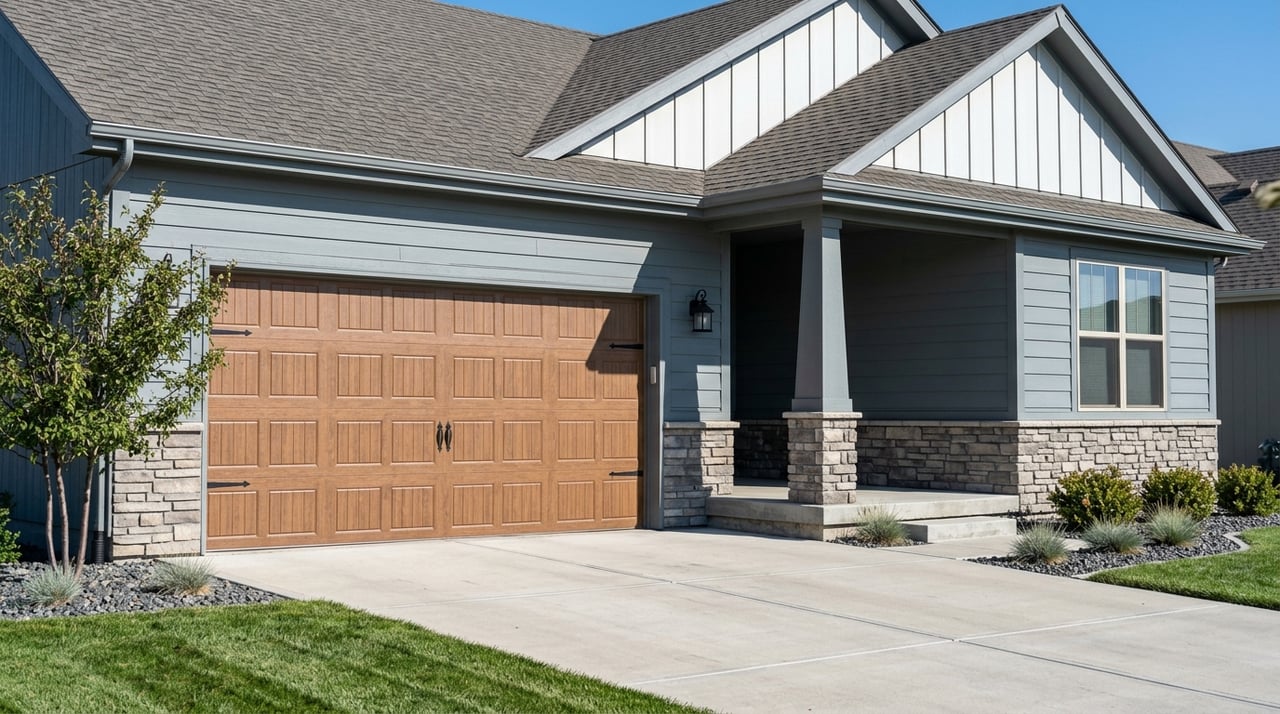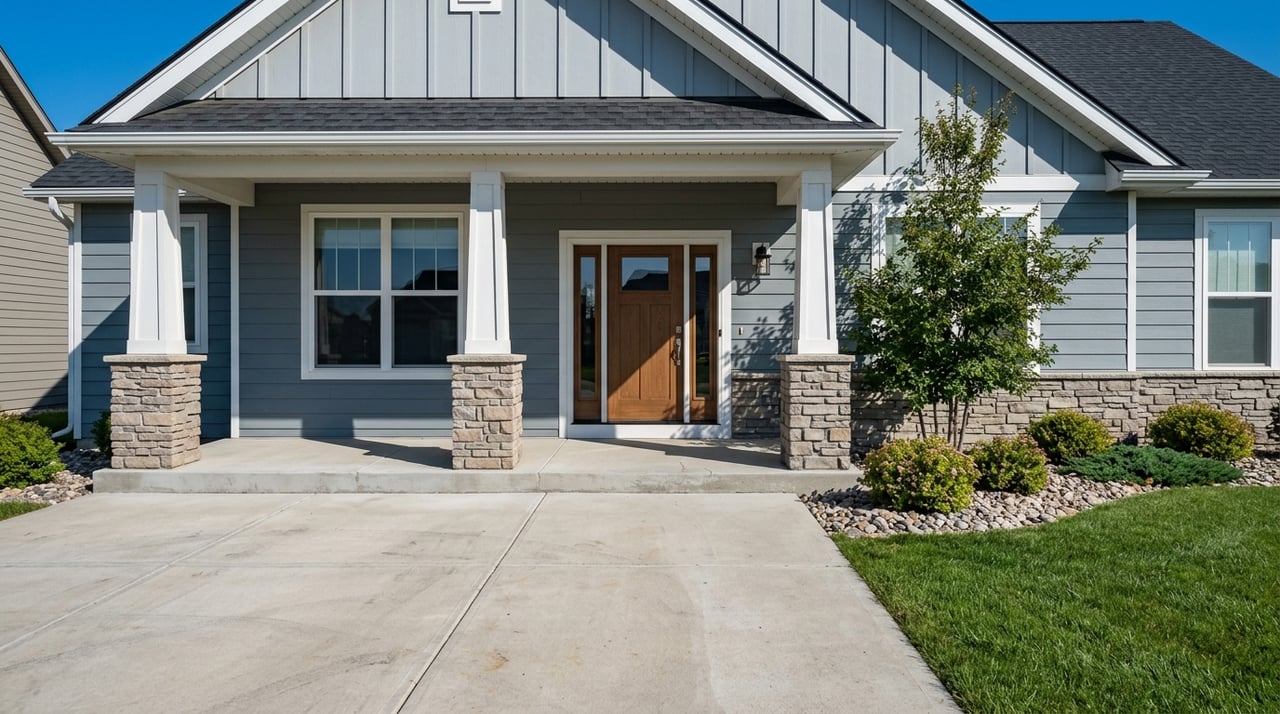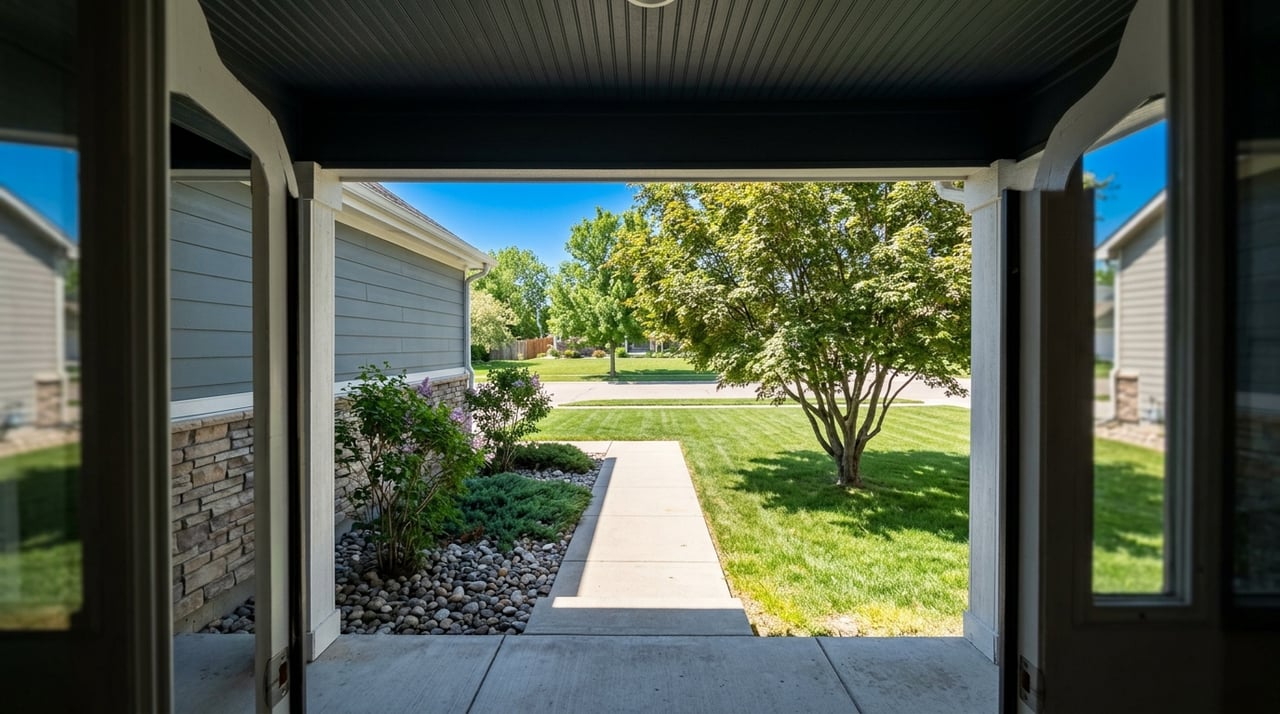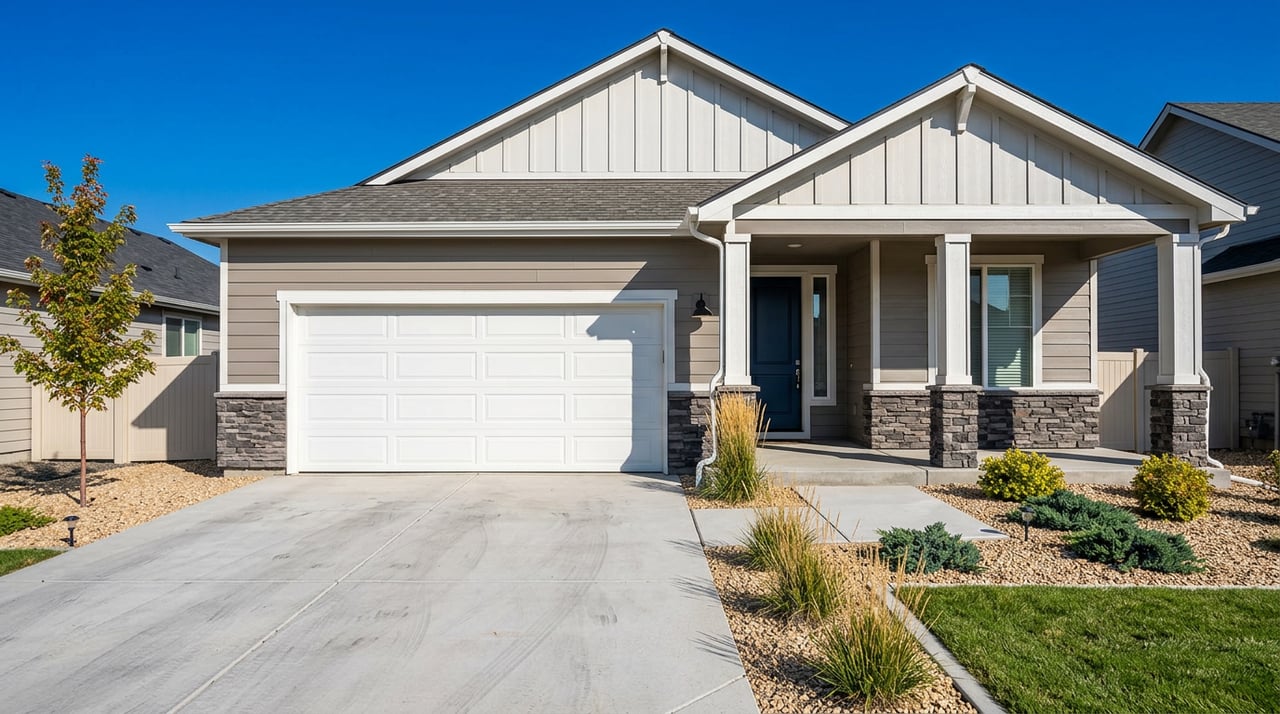
Thinking about a new build in Meridian or Nampa but not sure where to start? You want a home that fits your life, your budget, and your timeline without surprises. In this guide, you’ll learn how local new construction works, which builders you’ll meet, what’s typically included, how HOAs and lot sizes vary, and what to expect with contracts, financing, and warranties. Let’s dive in.
Why Meridian and Nampa new construction stands out
New homes are a large slice of local activity. In December 2025, Boise Regional REALTORS reported that 62% of Ada County pending sales were new homes, and Meridian accounted for about 40% of those pending new-home sales. That confirms Meridian as a major hub for new-home releases in the metro. Nampa in Canyon County also has active new subdivisions and often offers a lower price per square foot than Meridian. Always confirm current pricing and incentives at the community sales office before you decide. See the December 2025 market stats.
Who builds in Meridian and Nampa
Production builders you’ll see
You’ll find a mix of large regional and national builders across both cities. Common names include CBH Homes, Lennar, KB Home, Hubble Homes, and Hayden Homes. These builders often offer a combination of quick move-in spec homes and to-be-built options on released lots. Inventory and floorplan availability can change by phase, so ask the sales office what is available now and what is coming soon.
Regional and semi-custom options
Regional players like Brighton Homes and local semi-custom builders such as Biltmore Co. appear in select communities and infill pockets. Semi-custom neighborhoods usually have smaller lot counts and more personalization, which can raise the price per square foot. If you want a unique layout or elevated finishes, a semi-custom route can be a strong fit, but expect a longer and more hands-on process.
Floorplans, lots, and community types
Typical floorplans and multigenerational options
Most production builders in Meridian and Nampa offer homes in the 1,500-3,500+ square foot range with both single-story and two-story layouts. You’ll commonly see 3-5 bedroom plans in mid-price tiers. If you need a separate suite, look for multigenerational “home within a home” concepts. Lennar, for example, markets its Next Gen design with a private entry and dedicated living area, along with its “Everything’s Included” features list in select collections. Explore Lennar’s Next Gen concept in the Treasure Valley.
Lot sizes you can expect
New subdivisions in Meridian commonly include a range of lot sizes. Compact lots around 4,000-6,000 square feet appear in higher-density phases, with many projects using a 4,000 square foot minimum in similar zoning. Standard single-family phases often average in the 5,000-5,600 square foot range, while select neighborhoods offer larger homesites approaching 0.25 acres or more. For exact measurements, review the subdivision plat and the community’s homesite map. See examples of Meridian planning documents showing a 4,000 sq ft minimum and average lots in the 5,000-5,600 sq ft range.
Community types and amenities
- Master-planned communities often include multiple builders, pools, parks, and trails. HOA dues are usually higher when amenities and staffing are robust.
- Single-builder communities keep design standards consistent and the builder may manage the HOA at first. Review governance details and any transition timeline.
- Infill and semi-custom pockets offer smaller releases, more design choice, and often higher per-square-foot pricing.
What’s included, upgrades, and lot premiums
Inclusions vary by builder and even by collection. Many production builders include a basic appliance package and front-yard landscaping, and some offer promotional packages that add more value. Lennar highlights an “Everything’s Included” approach in certain plan collections, which can reduce the need for add-ons. Always get the inclusions list in writing for your exact homesite and plan. Review an example of Lennar’s inclusion approach.
Upgrades that commonly add to your budget include backyard landscaping, fencing, extended patios, window coverings, counters, cabinets, flooring, and fixtures. Builders like KB Home use a design-center process that lets you personalize finishes and structural choices for your plan. Homesite premiums may apply to larger, corner, park-adjacent, or view lots, and these can change by release. Ask for the community’s current price sheet and homesite map. See how KB Home describes personalization and site-specific pricing.
HOAs and monthly costs
Most new neighborhoods in Meridian and Nampa have HOAs, and dues vary widely with the amenity package. Recent local listing examples show monthly assessments ranging roughly from about 30-50 dollars for limited services up to 150-200 dollars or more in amenity-rich communities. Before you commit, request the current HOA budget, CC&Rs, and any reserve details so you understand services and restrictions. For a sense of how fees appear in listings, review an example Meridian listing with HOA specifics.
Timeline, contracts, and financing
How long your build may take
If you buy a quick move-in spec home, you may be able to close in a few weeks to a couple of months depending on completion status. For a to-be-built home on a released lot, many buyers in the Treasure Valley should plan on about 6-10 months from permit to keys for production and semi-custom builds. Custom projects can run 12-18 months or longer based on design and permitting. Always get a written schedule from the builder with milestones and what happens if timelines slip. See practical timing guidance for local new builds.
Deposits and contract clauses
Earnest money and option deposits vary by builder and home type, with production builders often in the low single-digit percentages. Some contracts include price increase or material cost pass-through language for long build windows, so you should identify any escalation clause and ask for caps or clear calculation methods. If you are rate or budget sensitive, consider a move-in spec or negotiate limits in writing. Review common contract issues and tips.
Financing and incentives
You can use single-close construction-to-permanent loans, stand-alone construction loans, or conventional VA/FHA construction options, depending on your lender and the builder. One-time close loans are popular because you lock once and avoid two sets of closing costs, but they can have stricter underwriting. Builders also run promotions like closing cost credits, rate buydowns, or upgrade allowances, often tied to using a preferred lender. Get all incentive terms in writing and confirm the lender’s lock timelines. Read a primer on construction-to-permanent options.
Warranties and service
Most new homes include a 1-2-10 style warranty: 1 year for workmanship, 2 years for major systems distributions, and 10 years of structural coverage through an insurance-backed program. Ask who the warranty provider is and request the full packet. Keep a running list of items during your first year and report them through the builder’s warranty portal or service process. Learn the basics of 1-2-10 structural warranties.
New vs resale: quick pros and cons
Pros of new construction
- New systems and higher energy efficiency when builders market Energy Star or similar features. Often fewer immediate maintenance tasks.
- Builder-backed warranty coverage for peace of mind.
- Amenity-rich communities with modern parks and pools if you want them.
- Potentially faster close on move-in spec inventory.
Trade-offs to consider
- Base price plus options plus lot premiums can add up fast.
- Backyards often start minimal unless you budget for landscaping and fencing.
- HOAs and CC&Rs add ongoing costs and community rules.
- To-be-built timelines can shift with permits, weather, or materials.
- Builder contracts may include price or schedule flexibility, so read closely.
Step-by-step buyer checklist
- Confirm whether the listed price includes a homesite premium. Ask for the current homesite map and price sheet.
- Request the HOA budget, CC&Rs, and any reserve study or reserve contribution schedule.
- Get a written inclusions list. Clarify appliances, window coverings, irrigation, yard scope, and fencing.
- Ask for the builder’s warranty documents. Confirm coverage for workmanship, systems, and structure.
- Get the build schedule with milestones in writing. Ask what happens if the schedule slips.
- Verify permit and plan review status with the city early. Permit timing can be the gating item.
- Talk to a lender about construction-to-permanent versus two-close options and draw schedules.
- Budget for move-in extras like blinds, a refrigerator, backyard landscaping, and utility hookups.
- Hire an agent experienced in new construction to review contracts, track options, and advise on leverage.
- Confirm if incentives require the preferred lender. Get any rate buydown or closing cost credits in writing.
Local permitting and plan review
Permits and plan review can influence your move-in date. Ask your builder where your home is in the process and verify what remains. For Nampa builds, you can contact Building Safety for plan review and permit guidance or status questions. Find Nampa Building Safety contacts.
Ready to explore new construction with clear expectations and a strong plan? Reach out to Jerrilyn Anghel to compare communities, decode builder contracts, and map a timeline that fits your goals.
FAQs
What price ranges do new construction homes start at in Meridian and Nampa?
- Pricing changes often by community and phase, but many entry-level production options have recently ranged from the mid 300,000s to 500,000s, with Nampa often lower per square foot than Meridian.
How long does a to-be-built home usually take in the Treasure Valley?
- Many buyers should plan on about 6-10 months from permit to keys for production and semi-custom homes, with custom homes taking 12-18 months or more.
What is a homesite premium, and when should I expect it?
- It is an added cost for lots with extra value, such as larger size, corner positions, proximity to parks, or views; always confirm the premium for your specific lot and phase.
Do I need a home inspection on a brand-new build?
- Yes; stage-based third-party inspections at foundation, framing, mechanical rough-in, and final can help you catch issues early and document repairs before closing.
Are HOAs required in new subdivisions around Meridian and Nampa?
- Many new neighborhoods have HOAs, and dues vary widely with amenities; review the budget, CC&Rs, and any reserve details before you commit.