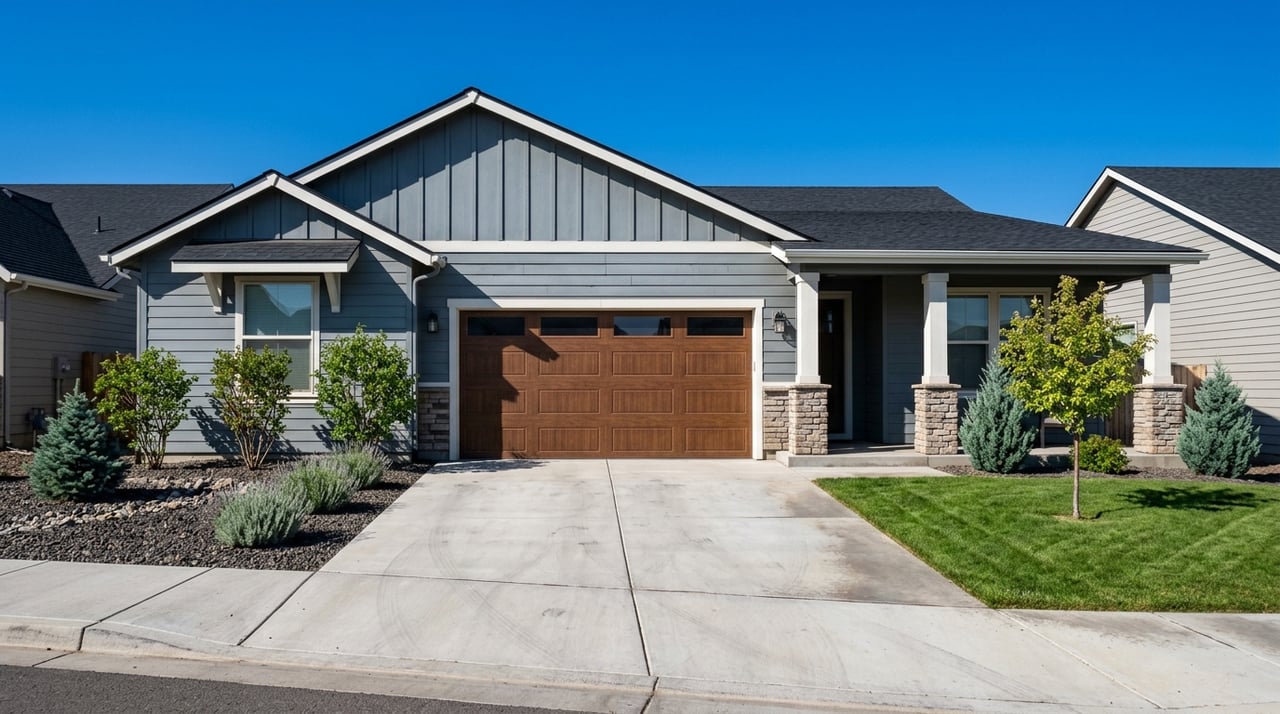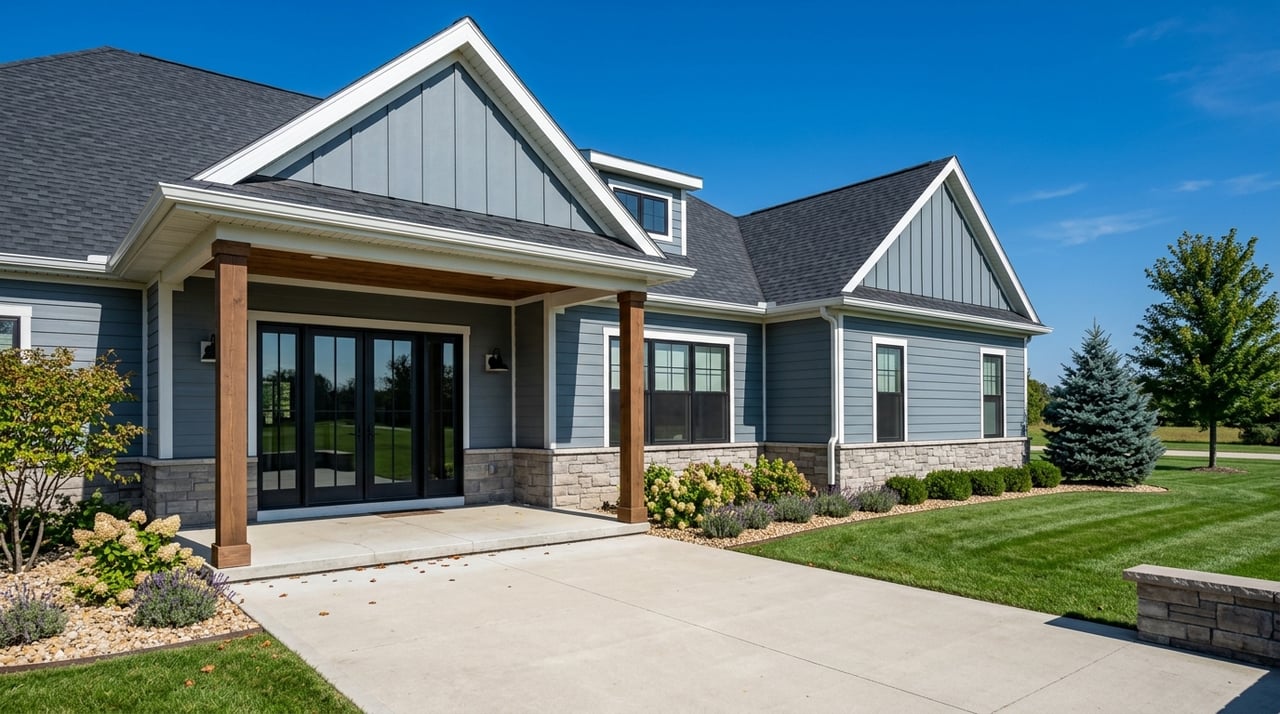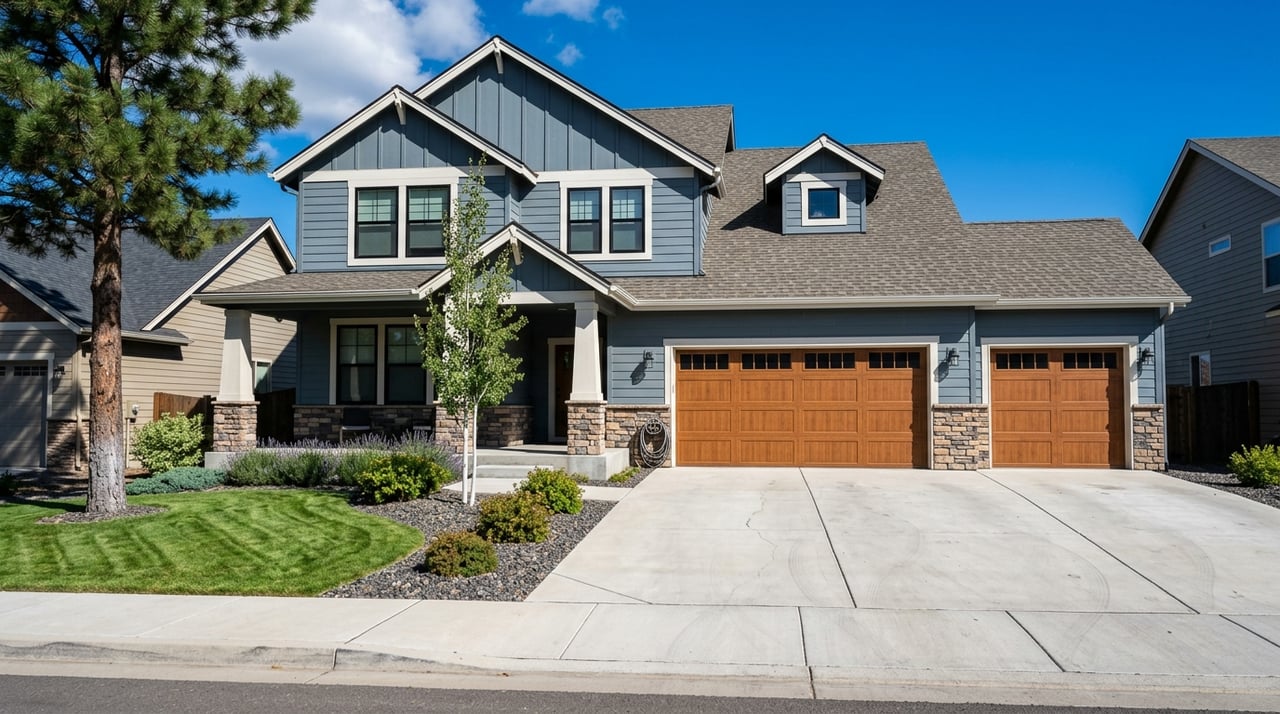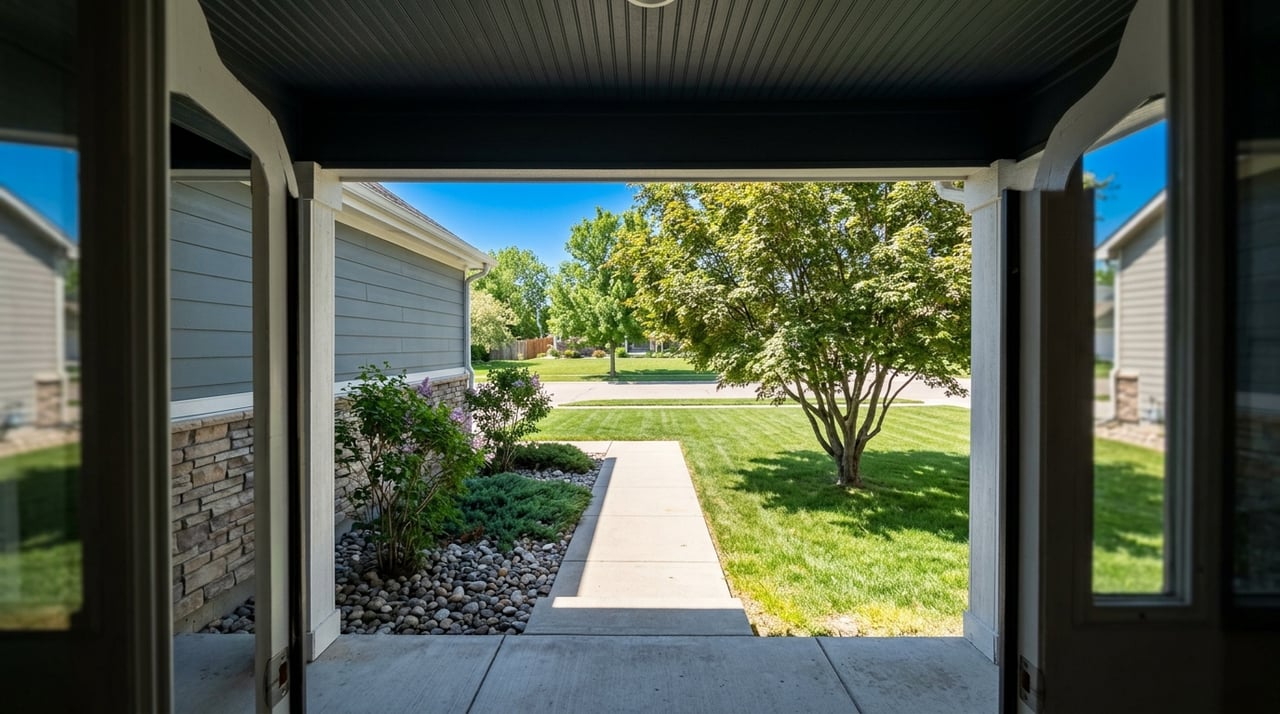
Thinking about buying in Nampa and torn between a brand-new home and an older neighborhood? You are not alone. In a fast-growing city, that choice can shape your daily routine, maintenance costs, commute, and overall lifestyle more than many buyers expect. This guide will help you compare both options clearly so you can decide what fits you best. Let’s dive in.
Why This Choice Matters in Nampa
Nampa is growing quickly, which makes neighborhood type an important decision rather than a small detail. Census QuickFacts shows the city had 117,350 residents in July 2024, up 16.8% from April 2020, and the City of Nampa’s 2025 Planning and Development Annual Report estimates the population at 123,220 in 2025.
That growth affects where homes are being built, how roads and services are planned, and what kind of living experience you can expect in different parts of the city. In Nampa, choosing between a new build and an established neighborhood often means choosing between two very different day-to-day environments.
What New-Build Neighborhoods Often Offer
Newer neighborhoods in Nampa are usually shaped by current planning rules and development standards. The city’s subdivision process includes lot size restrictions, density limits, landscaping requirements, and open-space requirements.
That often creates a more planned feel. In many newer subdivisions, open space is part of the design, and the homeowners association typically handles upkeep for those shared areas.
Nampa’s development activity shows how significant new construction has become. In 2025 alone, the city reported 46 subdivision plat applications, several large master-planned communities, and annexation applications that included projects over 50 acres, with the largest at 405 acres.
The city also said nearly 5,000 single-family dwelling permits were approved, issued, or completed from 2021 through 2025. That scale of development means you have real choices if you want a newer home in a more recently planned area.
Common advantages of newer areas
If you are leaning toward new construction, these are often the biggest draws:
- More current layouts and home designs
- Lower immediate maintenance needs
- Planned open space within the subdivision
- Neighborhoods shaped by current infrastructure planning
- A more predictable overall neighborhood layout
Nampa’s transportation master plan and future land use planning also play a role here. The city uses these tools to plan roads, sidewalks, bicycle lanes, water, sewer, and other capacity needs alongside growth.
What Established Neighborhoods Often Offer
Established neighborhoods in Nampa offer a different kind of appeal. Instead of a recently planned layout, you often get older street patterns, mature city infrastructure, and homes with more architectural variety.
Old Nampa is the clearest historic example. The city says the Old Nampa Neighborhood Historic District is one of Nampa’s first subdivisions and includes 243 homes built largely between 1920 and 1940.
The district is known for Craftsman and bungalow-style homes, and many properties still keep original windows, built-ins, and other architectural details. If you value character, this is the kind of setting that newer neighborhoods usually cannot replicate.
Downtown Nampa is another strong example of an established, central environment. The city describes downtown as walkable and well preserved, with public art, Lloyd Square Park, the library, the Train Depot Museum, the farmer’s market, shops, restaurants, and live entertainment.
Common advantages of established areas
If you are considering an older neighborhood, these benefits often stand out:
- More architectural character and variety
- A more central, established city feel
- Stronger access to downtown amenities in some areas
- Mature parks and recreation access across the city
- Streets and neighborhoods with more historic identity
Nampa Parks & Recreation says the city has 27 parks, 14 miles of pedestrian pathways, a recreation center, two municipal golf courses, pools, splash pads, sports fields, and other recreation assets. Those citywide amenities can add a lot of value to daily life, especially in older parts of town that are already woven into the broader community fabric.
The Biggest Tradeoffs to Consider
The best choice usually comes down to your priorities. Neither option is automatically better. The right fit depends on how you want to live.
Maintenance and home condition
New builds often appeal to buyers who want fewer immediate repair concerns. Because they are newer, they are more likely to reflect current building and subdivision standards.
Established neighborhoods can be different from house to house. In areas with older homes, you may see more variation in condition, updates, remodel quality, and original features.
Character versus predictability
If you love historic details, mature surroundings, and unique homes, an established neighborhood may feel more appealing. Older areas often have a stronger sense of history and a less uniform look.
If you prefer a more predictable buying experience, newer neighborhoods may feel easier to evaluate. You are more likely to see consistent lot layouts, shared design features, and planned open-space elements.
HOA living and shared spaces
This is a major decision point for many buyers. Nampa’s subdivision guidance says open space in newer developments is often part of the approval process, and upkeep is typically the responsibility of the HOA.
That can be a plus if you want common areas and a more managed neighborhood environment. It can be a drawback if you want to avoid HOA dues or community rules.
Walkability and daily convenience
If being able to get around on foot matters to you, established central areas deserve a close look. Downtown Nampa remains the clearest example of a walkable core with a concentration of amenities.
Newer subdivisions may include their own paths or open spaces, but they do not always offer the same central access to shops, events, and civic destinations. Your daily routine matters here more than the age of the home itself.
Commute and regional access
Nampa’s location is a practical advantage for many buyers. The city says it sits along Interstate 84 and U.S. Highways 20, 26, 30, and 95, and is about 20 miles from downtown Boise and 18 miles from Boise Airport.
The citywide mean commute time is 24.4 minutes, according to Census QuickFacts. Still, your actual experience will depend on where in Nampa you live and which routes you use most often.
A Simple Way to Decide
If you feel stuck, start with the lifestyle question instead of the house question. Ask yourself what you want your day-to-day life to feel like.
Choose a new build if your top priorities are:
- Lower immediate maintenance
- Current layouts and finishes
- Planned open space
- A neighborhood shaped by newer infrastructure planning
- A more consistent subdivision feel
Choose an established neighborhood if your top priorities are:
- Architectural character
- A more central location
- Closer access to downtown amenities
- Mature city surroundings
- More variation and personality from one home to the next
Questions to Ask Before You Tour Homes
Before you start touring, it helps to narrow your must-haves. A clear checklist can save you time and keep you focused.
Ask yourself:
- Do you want a home that feels move-in ready with fewer near-term projects?
- Are you comfortable with HOA dues and neighborhood rules?
- How important is historic character to you?
- Do you want easier access to downtown Nampa?
- Is your commute local, regional, or Boise-based?
- Would you rather have a highly planned neighborhood or a more organic street layout?
- How much maintenance are you willing to take on over time?
Your answers will usually point you in the right direction quickly. In many cases, buyers realize they are not really choosing between “old” and “new.” They are choosing between convenience, character, predictability, and location.
Final Thoughts on Buying in Nampa
Nampa gives you real options, which is a good problem to have. With ongoing growth, large-scale new development, and well-established central neighborhoods, you can choose a home that matches how you actually want to live.
The key is to look past surface-level features and focus on what will matter after move-in day. If you want help comparing neighborhoods, commute patterns, and home styles across Nampa, reach out to Jerrilyn Anghel for practical, local guidance.
FAQs
How do new-build neighborhoods in Nampa usually differ from older neighborhoods?
- New-build neighborhoods in Nampa are often shaped by current subdivision standards, planned open space, and newer infrastructure planning, while older neighborhoods tend to offer more historic character, varied architecture, and a more established city layout.
What should buyers know about HOAs in newer Nampa subdivisions?
- Nampa’s subdivision guidance says open space is often part of development approval, and maintenance of that shared space is typically handled by the homeowners association.
Which parts of Nampa offer the most walkable setting?
- Downtown Nampa is the clearest walkable core, with shops, restaurants, public art, the library, Lloyd Square Park, the farmer’s market, and community events.
Are established neighborhoods in Nampa more likely to need updates?
- Older homes can have more variation in condition, remodel quality, and original features, especially in historic areas with homes built largely between the 1920s and 1940s.
Is Nampa a practical choice for buyers who commute regionally?
- Nampa can be a practical option for regional commuters because it sits along Interstate 84 and several major U.S. highways, and the city says it is about 20 miles from downtown Boise and 18 miles from Boise Airport.